
Fujifilm XF 16-55mm f/2.8 Mark I vs. Mark II Showdown
Gear Review
In this review we're comparing the original Fujifilm XF 16-55mm f/2.8 lens to the brand new Mark II version.
I've owned the original 16-55mm for about a decade, and it's been one of my staple lenses for professional work. If you've never used it, just know it's easily one of the top five Fujifilm lenses out there. So when the new version was announced, I wasn't exactly rushing to get my hands on one, for two reasons. First, I wasn't sure how they'd improve the image quality while making the whole thing smaller and lighter. Second, since I am happy with the Mark I, I didn't feel the need to run out and replace it.
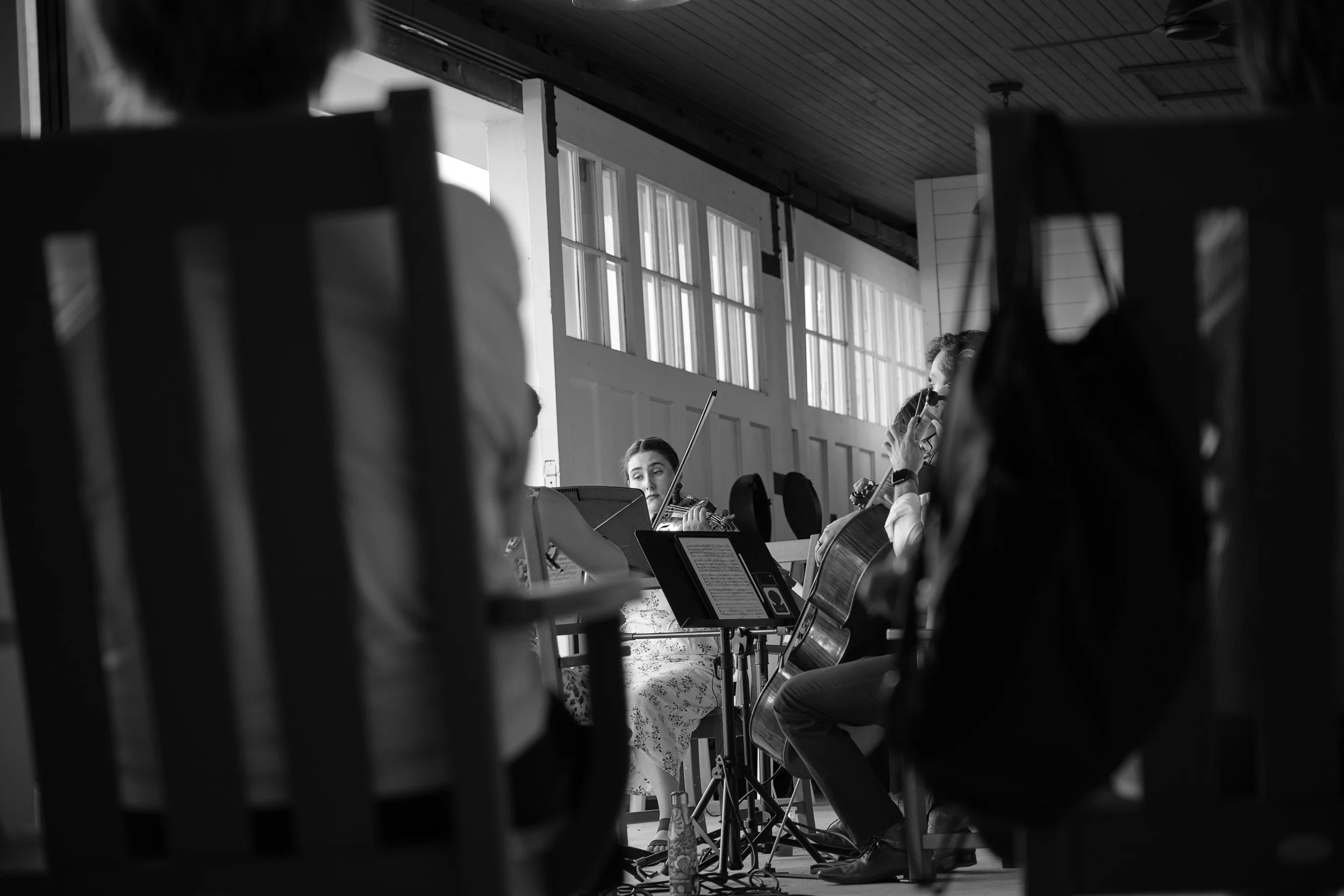
After using it however, I was pleasantly surprised in a lot of ways. I put the new lens through an outdoor concert shoot photographing a string quartet, followed by some controlled studio comparisons, which you can see in my YouTube video linked below. I don't usually do pixel-peeping breakdowns, but in this case I made an exception since I was really interested in whether they improved the image quality.

Quick Take
Design: Smaller and Lighter, In a Big Way
It's hard to tell from the photos, but the new lens isn't just marginally smaller and lighter, it's a meaningful difference in the hand and on the shoulder. It's noticeably less bulky, to the point where it barely feels like a constant f/2.8 zoom.
These small weight and size savings add up very quickly, especially when you are lugging a bag of gear around all the time. I take the subway all the time to photograph concerts around New York, and every ounce adds up once that bag is full. This is the kind of upgrade that is often overlooked, but one of the best we can get.


The new model still uses an external zoom, not internal, and the zoom and focus rings are close enough in size to the original that switching between them feels instantly familiar. The zoom ring has been criticized by some for being less smooth than the original, but it feels fine on my copy. The aperture ring is definitely not as firm in each click as the old one, but I also found it to be acceptable.
There are a couple of welcome additions too. A click on/off switch on the aperture ring, useful for video work when you want a silent aperture change. And an aperture lock, which honestly should be standard on every Fujifilm lens at this point. Build quality still feels good, though there's a bit more plastic involved than the original. Long-term durability is still an open question, since I've had this lens for about two weeks for review. My original lens has survived years of daily professional use without missing a beat, and I'm hoping the new version holds up just as well.
Autofocus
Autofocus is fast, snappy, and accurate, matching the original. That's genuinely high praise, since the original has always been one of the best-focusing lenses in the Fujifilm lineup. The new version holds that same standard, although I wouldn't go as far as to say I noticed it being any better on my X-T5.
Image Quality: The Pixel Peeping
Both lenses were shot on an X-T5, on a tripod, with identical settings, about as close to a controlled test as I can manage in my studio.
You can see the sample images here and get the full pixel peep from my YouTube video, since I zoom in very closely throughout.


Sample 2, Mk I
Sample 2, Mk II


Sample 3, Mk I
Sample 3, Mk II
Overall verdict on image quality: it's definitely sharper, especially in the corners, with a small bump in brightness around the edges as a bonus. Since the original lens is excellent, this is really some high praise, and Fujifilm did an incredible job making it even better. If you're someone who genuinely cares about squeezing out every last bit of detail, the Mark II version is the way to go.
Pros
Cons
Conclusion
If you're deciding between the Mark I and Mark II version of this lens, and budget isn't a major obstacle, go with the new one. The upgrades are real and worth it for a first-time buyer.
If you already own the original, the math gets more complicated. It's a genuine improvement, but it's still a significant amount of money for a lens that already performs at a high level. You'll also likely not notice the small amount of added sharpness and detail in real life, so if you're considering both, you might want to base your decision more on the size and weight savings. At this point, I'm personally not going to upgrade from my old version, but when I do, it will be a welcome addition to my bag for all the reasons mentioned in this review.
Fujifilm XF 16-55mm f/2.8, Original and Mark II
Want to grow as a portrait photographer?
If you're a photographer looking to grow as an artist and business person, the Portrait Community is for you. Work hands on with me in a small, supportive group that's dedicated to helping you become the creative you've always dreamed of being.
Learn More