
Why Expression Beats "Looks" in Headshots
The short version
- Expression trumps looks in headshots
- Expressions should reflect your brand or the roles you want to book
- A variety of expressions creates a much more diverse portfolio of acting and branding images
- The photographer you choose can make or break the emotion in the photos, so choose wisely
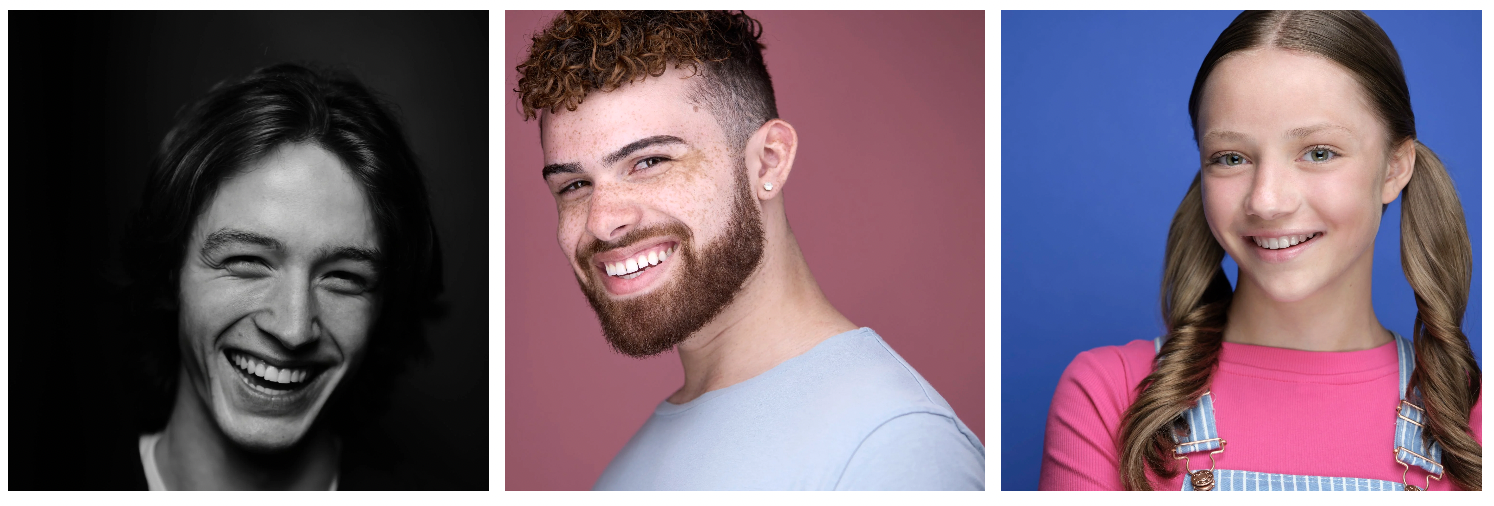
A “Look” is more than just an outfit change.
If you are an actor, model, or a professional looking for headshots, you will find that many photographers speak in terms of “looks.” When a photographer says, for instance, “We can do 3 looks,” they are referring to 3 photos that have a different styling, including the outfit, makeup, lighting, background, and, most importantly for this conversation, expression.
Out of all of the elements that photographers combine to create a look for your headshot, the most difficult to achieve, and arguably the most important, is expression. There are two reasons why expression either makes or breaks a headshot. First, your expression will tell the story of a photo more strongly than any article of clothing, or even lighting. Second, getting genuine expressions is not easy, and it’s up to the photographer to help you get there.
Your expression in each photo tells a story, far beyond the basics of a “look.” Are you happy in the photo or do you seem sad? Do you look confident, ready to take on the world, or nervous and unsure? Does your smile look like it was forced against your will, or is it genuine?
The takeaway here is the word genuine, because at the end of the every headshot should show a genuine expression, whether intense, confident, approachable, stern, etc. This is the key to creating a look, and bringing the whole image together.
You must have a variety of expressions in your looks.
A photographer may create a variety of “looks” for you, but if you have the same expression in every photo, then you are not giving casting directors much to work with. When casting directors or talent agents are perusing your portfolio, they need to be able to immediately picture you in the role they have, or may have in the future, and if all your photos look like the same one dimensional person, you are making their job extremely difficult and ultimately lose work.
This philosophy extends to business headshots and branding images as well. It’s always better to have a few expressions to choose from as a business person, especially if you are an entrepreneur who has multiple platforms where you need to promote your brand. It’s also crucial for business people who do public speaking tours, write books, have a podcast, or even who work for a company but have a separate professional website for elements of their career.


Also, if you have more than one profession (which many of us do nowadays), you might want to convey a different aspect of your personality in the photos you use for your specific jobs. The simple fact is, variety is a must with headshots, and key when developing your personal brand.
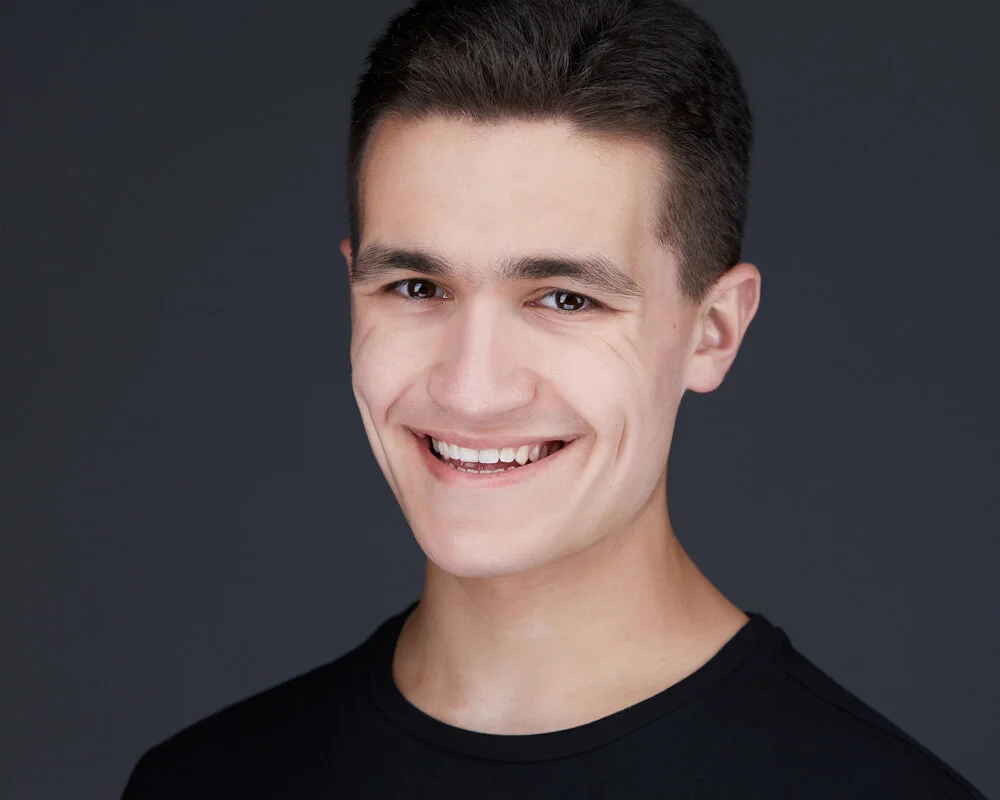
Take this Jacob, an actor. Jacob is currently building his online presence and resume. My goal was to give him technically excellent photos with great lighting and a variety of looks, and more importantly, make sure his personality came through by capturing a variety of expressions and emotions. Jacob has a big personality, so he had a lot to give in the expression department and made my job easy for me.
Armed with these photos, Jacob now has a huge advantage over other actors who have mono-expression or expressionless photos. Casting directors looking at Jacob’s portfolio can easily picture him in a variety of roles and immediately see his versatility. His expressions are so strong that we didn’t even need a ton of different lighting, backdrops, and styling to make it work.




It’s a collaborative process, but choosing the right photographer is key.
Ok, so now we understand how expression is the most important part of a headshot, and most challenging to achieve. There’s one more element that is most important for creating headshots that have genuine emotion and expression, and that’s the photographer you choose. The simple fact is that some photographers are great at coaching clients to get a variety of expressions, and some are not. The personality of the photographer comes into play here in a big way, and it’s why I always advise calling a photographer and getting a sense of their personality before booking. The last thing you want is to go to a photo session and feel uncomfortable the entire time, because this will guarantee none of the photos work.
Beyond the personality of the photographer, they must have an effective process to help your genuine self emerge in the photos. My process is collaborative, engaging, empowering, and fun. During a session, we review images in real time as we go, so we can tweak expressions, angles, and poses, and also so we can be inspired together by the work we’re creating. Every photographer works differently, so in addition to getting to know their personality, make sure you understand their process.
You can do it, and I can help.
If you’ve read this far, don’t be discouraged! I find that most people are nervous to get their headshot taken, even actors and models who do it all the time. I got your back, and I have the experience, skill set, process, and personality to help my clients look amazing, and genuine, in their headshots.
Key Takeaways
- Expression is everything. Looking genuine in the photo beats even the best lighting.
- Variety is key. Actors need variety in the emotion their headshots convey, and business professionals do too.
- Choosing the right photographer is crucial. Make sure to find one who is good at their craft, and also has a welcoming personality and safe space.
- Collaborate! You are capable of looking amazing in your headshots, and we collaborate to get it done.
Common Questions
How many expressions should I have in my headshots?
For actors, I recommend a minimum of four expressions, in anywhere from four to six looks. Here’s a few common expressions we go for in a session: Smiling/friendly, which is especially important so casting directors can see your teeth. Smirky/Confident Grin, which is a closed-mouth smile that can look cocky, confident, inviting, mischievous, or more. Serious, which can also be vulnerable, closed-off, determined, or even angry. Tenacious/resolute, which shows you as confident and ready to take on the world. There are other expressions we can hit based on the roles an actor is going for, as well. For business people, generally it’s smiling/friendly and confident/closed mouth smile, but the others apply as well based on their specific industry, position, and goals.
What’s the difference between a commercial and theatrical headshot?
A commercial headshot usually goes for an approachable warm expression, often with a smile. The lighting for a commercial headshot will typically be bright, even, and warm as well. Theatrical headshots tend to lean into dramatic lighting and expressions, with serious looks, or confident/resolute expressions being much more common. I pair specific lighting styles to match the emotion of the headshots. For instance, a big, friendly smile works really well with bright, cheery lighting and clothing. A serious, or mischievous expression works well with dramatic lighting that uses lots of shadows.
How do I avoid a blank, “deer in the headlights” expression in my headshot?
This is largely up to the photographer. First, they must coach you on eyes, eyebrows, and mouth changes that avoid the blank stare. Second, they must be able to empower you during the shoot so that you don’t actually feel like a deer in the headlights when they are photographing you. It’s about building confidence during the shoot, reviewing images as you go (because seeing is believing), and collaborating in a safe, welcoming space.
Ready to Book Your Session?
Sessions available in studio on Long Island and in New York City. Reach out to talk through what you need.
Get Pricing