
Three Elements of a Good Headshot


The short version
- A good headshot looks like the genuinely best version of you, not a stiff or forced pose
- Technical quality (exposure, color, cropping, lighting) makes or breaks the final image
- Simple backgrounds and subtle editing photograph better than heavy filters or fake sets
- Over-editing is one of the fastest ways to make a headshot look fake
- The photographer you choose is, in the end, the most important factor of all
Every professional needs a good headshot nowadays. Your face is going to be seen somewhere online, whether through social media, websites, blogs, Zoom meetings, and probably even Google image searches. It's important to make sure that you decide what photos are associated with your online persona. The last thing you want is a photo you don't like, or worse, didn't choose, representing a brand you've worked hard to build.
Quality headshots have become imperative for business people, real estate agents, doctors, lawyers, corporations both large and small, college professors, teachers, actors, theatrical performers, students, and clergy. In short: everyone needs a good headshot in today's digital world.
With that in mind, here are three elements of a good headshot, and some tips to help you choose a great photographer.
Element 01
The Best Version of You
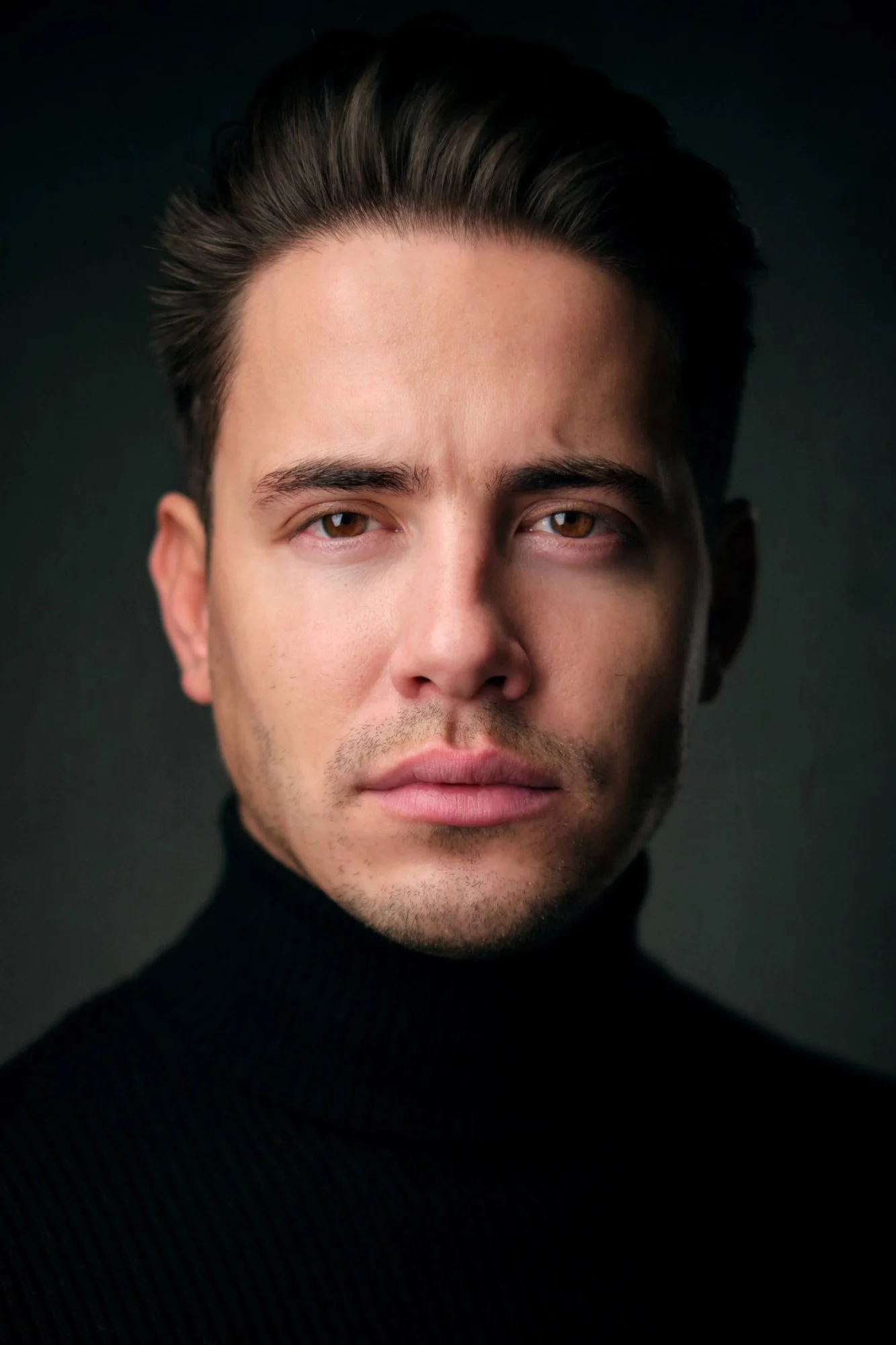
First, and most importantly, a good headshot should look like the best version of you possible. This sounds obvious, but it's easier said than done. A professional photographer knows how to coach expressions, place you in the most flattering lighting, and will even help you choose clothing and accessories to make your headshot stellar. A photographer worth their salt will instantly recognize what features to accentuate, and knows how to coach what I call "micro-expressions," a key component of a great headshot. Your headshot must reflect the best version of you possible.

Element 02
Technical Excellence
Second, a good headshot needs to be technically excellent. Technical elements include correct exposure and focus, correct color balance, good cropping, excellent lighting (there are many different lighting styles, and some are not great for headshots), camera and lens choices and settings, camera height, and much more. Technical details will make or break the photo, and a professional photographer understands and pays attention to these important elements. The last thing you want is a poorly lit, unclear, unflattering photo representing your brand. It screams amateur to your potential business connections.

Element 03
Proper Composition & Editing
Third, a good headshot must be composed and edited properly. The last thing you want is what I like to call the "1980s Glamor Shot" look, complete with soft focus filter and fake bookcase background. A photo like this will do your brand more harm than good.
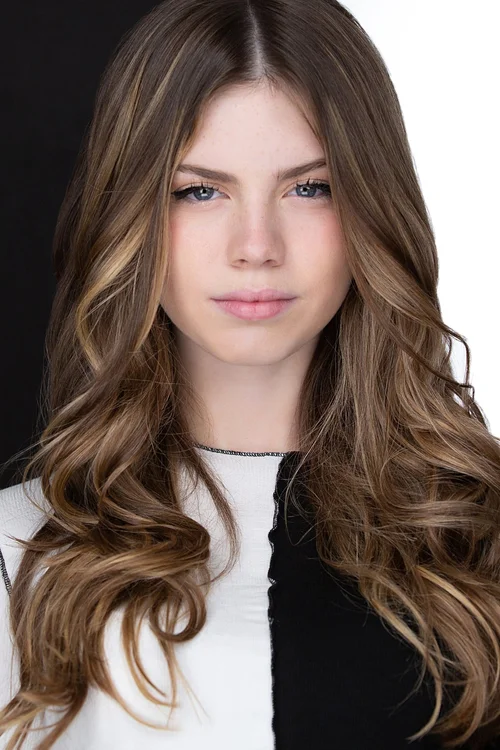
A modern, clean headshot has a simple background, and the editing is done to make you look your best, not to look like an Instagram filter gone awry. In fact, nothing is worse than an over-edited photo, since it's clearly fake to anyone who sees it. Keeping things this simple also makes your face much more engaging in the headshot, and minimizes distractions.
Some Final Thoughts
I hope this has been helpful to you. In truth, there are a host of issues, both large and small, that we headshot photographers think about with each client. In the end, it's up to us to know what to do to make the session amazing, since no two faces are the same. So you could say that the most important element of the headshot is the photographer you choose to take it.
Key Takeaways
- Genuine expression wins. A good headshot reflects the real, best version of you, not a forced or stiff pose.
- Technical quality is non-negotiable. Exposure, focus, color, and lighting make or break the final image.
- Simplicity beats over-editing. Clean backgrounds and subtle retouching photograph better than heavy filters or fake sets.
- No two sessions are the same. A skilled photographer adapts to your face, not the other way around.
Common Questions
What's the biggest difference between a good headshot and a bad one?
It usually comes down to whether the photo looks like a genuine, natural version of you. A bad headshot often has a stiff or forced expression, poor lighting, or heavy-handed editing that ends up looking fake. A good one reflects a real, relaxed expression captured with technical skill.
Why do some headshots look outdated or overly edited?
Usually it's a soft-focus filter, an artificial-looking background, or heavy retouching that removes too much natural texture. Modern headshots use clean, simple backgrounds and subtle, realistic retouching, rather than trying to disguise the photo as something it isn't.
What background is best for a professional headshot?
A simple, uncluttered background works best, since it keeps attention on your face rather than the surroundings. White and grey are the two most versatile and widely used options for professional headshots.
Can a photographer really help with my expression, or is that up to me?
A skilled photographer plays a big role here. Coaching subtle, natural expressions, often called micro-expressions, is a core part of a professional headshot session, not something you're expected to figure out alone.
Does everyone really need a professional headshot?
In today's digital world, yes. Anyone with an online presence, whether on LinkedIn, a company website, social media, or even Zoom, benefits from a photo they intentionally chose rather than one that was simply taken, or worse, an old casual photo repurposed for a professional context.
Ready to Book Your Session?
Sessions available in studio on Long Island and in New York City. Reach out to talk through what you need.
Get Pricing